The Chungbuk Times > Feature > View
Gut Microbiota Can Change Our Health
제 229 호 발행일 : 2026.09.07
“I have started taking lactic acid bacteria because my parents told me they were good for gut health, but I do not really understand what role they play.” This is what Oh Yoo-jin (Dept. of German Language and Culture, 21) said. While many people consume lactic acid bacteria for general health, few people understand how gut microbiota affect the body’s overall health. Beyond merely aiding digestion or easing constipation, a growing number of studies have shown that gut microbiota is closely associated with metabolic diseases like obesity, as well as neurological disorders such as depression and dementia.
Generated by AI
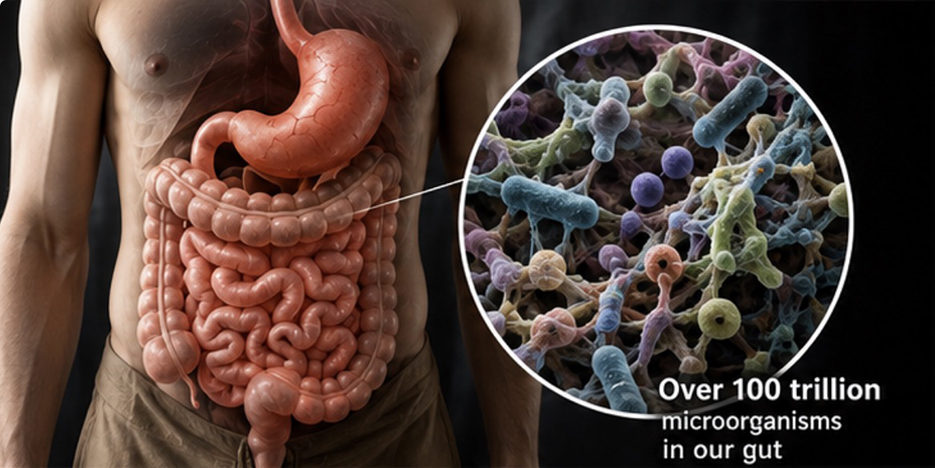
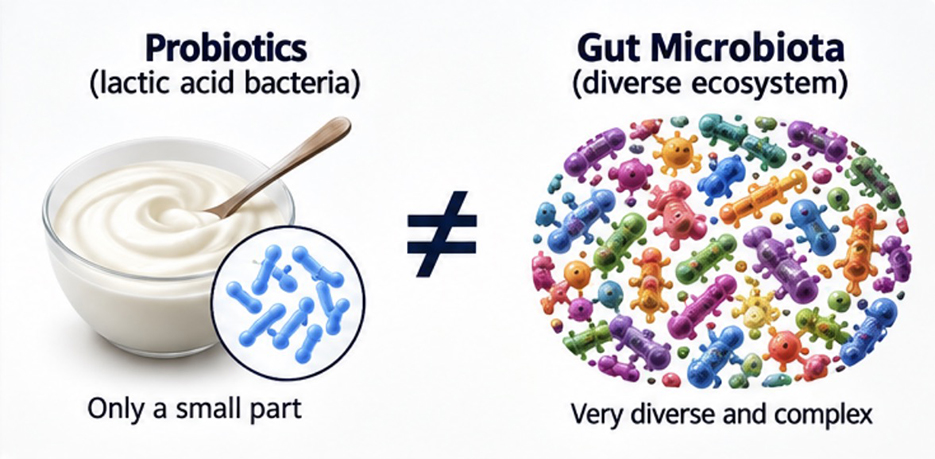
Human intestines contain more than 100 trillion microorganisms, including bacteria, viruses, and fungi, which form a huge, balanced ecosystem collectively known as the “Gut microbiota.” By contrast, what is commonly referred to as “Lactic acid bacteria” represents only a specific subset of bacteria that generate lactic acid. Therefore, simply taking lactic acid bacteria does not mean that the entire gut microbiota immediately becomes healthier. This is because the gut microbiota is a complex ecosystem where diverse microorganisms, including lactic acid bacteria, interact in a delicate balance. While once viewed merely as agents of digestion, these microbes are now known to have a much broader influence not only by optimizing nutrient absorption, but also by suppressing harmful bacteria to maintain a resilient intestinal environment.
Generated by AI
Obesity May Begin in the Gut
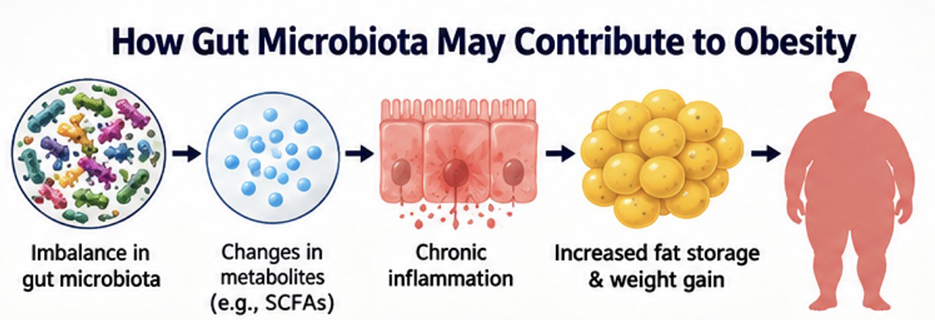
Obesity is widely recognized as the consequence of overeating and a lack of exercise. While diet and insufficient exercise remain primary factors, the gut microbiota is gaining attention as a potential explanation for why individuals gain different amounts of weight even with identical food intake. The gut microbiota plays a role in the decomposition of food and absorbing nutrients. It is also known to affect how efficiently the body uses energy from food. Professor Tatsuya Unno from the Dept. of Microbiology at CBNU points to “chronic inflammation” as a key factor linking the gut microbiota to obesity. He explained, “Short-chain fatty acids produced by the gut microbiota help suppress chronic inflammation. As chronic inflammation decreases, the body’s tendency to store excessive energy may also diminish.”
Generated by AI
The Gut and Brain Influence Each Other
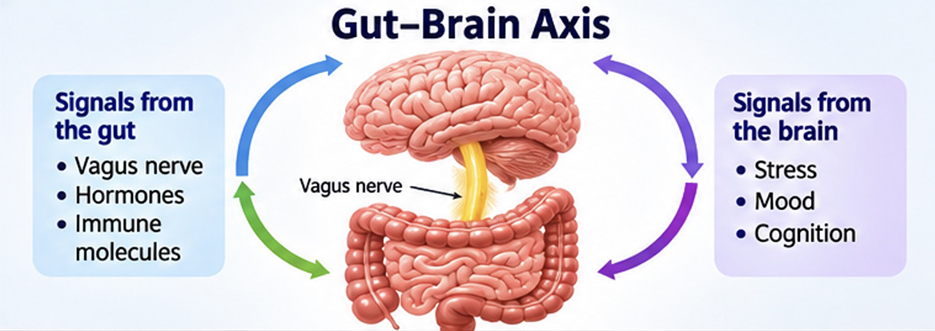
Some people may have experienced a stomachache during an exam period or an upset stomach before an important presentation, which are typical symptoms associated with Irritable Bowel Syndrome. This is not a simple reaction caused by nervousness, but a response that occurs because the gut and brain are connected to each other. Recent studies have revealed that the gut and brain continuously exchange information through the nervous system, hormones, and the immune system. This connection is called the “Gut-brain axis.” As maintaining a healthy intestinal environment helps sustain balance throughout the body, the gut microbiota plays a vital role in the gut-brain axis.
Generated by AI
Depression and Gut Microbiota: An Emerging Field of Research
As research on the gut-brain axis increases, depression has emerged as a key area of focus. For a long time, depression has been known as a disorder caused by a combination of stress, environmental and genetic factors. However, recent studies have suggested that the gut microbiota may also be associated with depression. Some studies have found that the gut microbiota composition in individuals with depression differs from that of healthy people. These differences may influence brain function and emotional regulation. Prof. Unno explained, “Animal studies have shown that consuming lactic acid bacteria can alleviate depressive symptoms. If a healthy intestinal environment helps serotonin, known as the ‘happiness hormone,’ to be produced more effectively, it may also have a positive effect on mental health. However, since depression is a disorder caused by multiple factors, it cannot be fully explained by the gut microbiota alone, and related research is still actively underway,” he added.
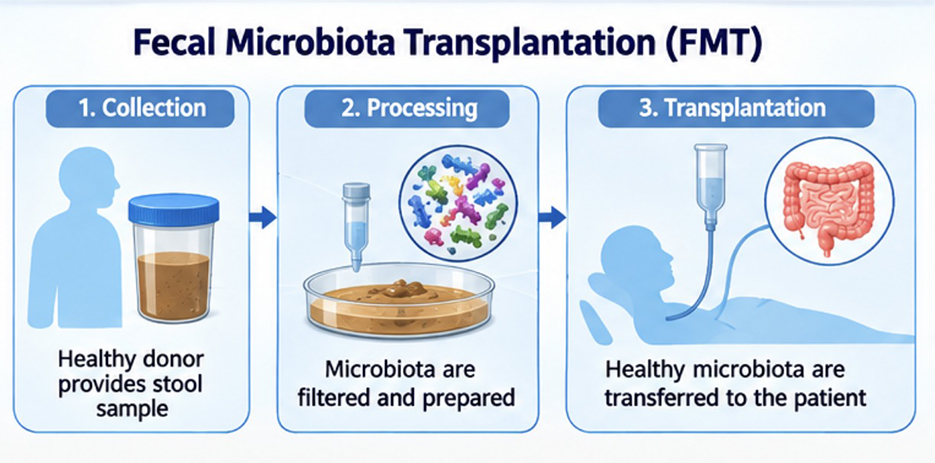
As the population ages rapidly, dementia has emerged as an important health issue that our society must address. A research team led by Professor Mook In-hee of Seoul National University and Professor Bae Jin-woo of Kyung Hee University conducted fecal microbiota transplantation (FMT) using healthy gut microbiota in mouse models of Alzheimer’s disease. They reported that the FMT restored memory and cognitive function while reducing inflammatory responses in nerve cells.
A New Treatment Using Gut Microbiota: FMT
Generated by AI
As the effects of gut microbiota on health have become clearer, research using them to treat diseases has also gained significant momentum. One representative treatment is FMT. FMT is a treatment that transfers the gut microbiota from a healthy person into a patient’s intestine to restore a disrupted intestinal environment. It has already been proven effective in treating recurrent intestinal diseases such as Crohn’s disease. It is also being used in clinical practice. The scope of research has also expanded to investigate various diseases, including inflammatory bowel disease, obesity, and autism spectrum disorder. However, Prof. Unno emphasized, “Healthy gut microbiota from a donor do not always produce the same effects in another person. As each person has a different balance of gut microbiota, FMT must be performed under professional management. In the future, personalized microbial therapies that use AI to select the microorganisms needed by each patient may be developed, but there are still many challenges to overcome,” he predicted.
Generated by AI
The Easiest Way to Build a Healthy Gut
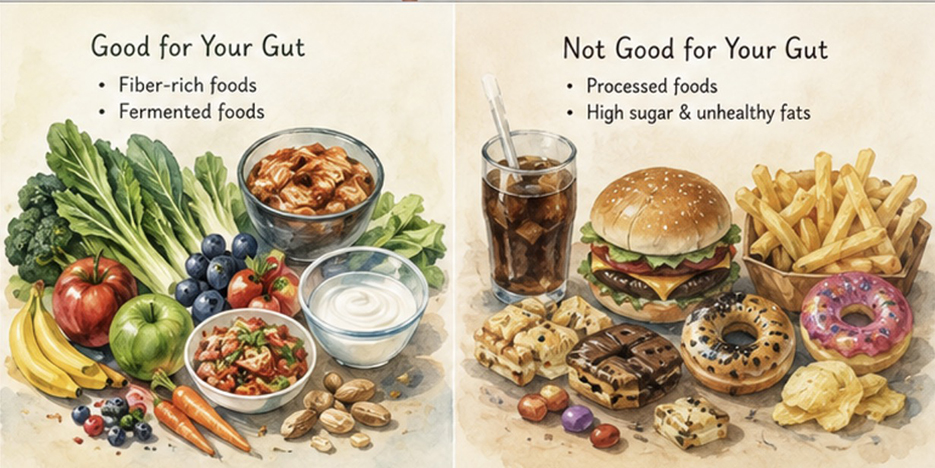
Experts emphasize a balanced diet above all else when it comes to maintaining a healthy gut. Vegetables and fruits rich in dietary fiber, as well as whole grains, serve as food for beneficial bacteria and help create a healthy intestinal environment. In contrast, excessive consumption of instant and processed foods should be avoided because it can disrupt the balance of gut microbiota. The overuse of antibiotics is also a concern. Prof. Unno advised, “Antibiotics can reduce harmful pathogens as well as beneficial bacteria. Using unnecessary antibiotics can impair the balance of gut microbiota and lead to an increase in antibiotic-resistant bacteria, so antibiotics should be taken appropriately only when necessary.”
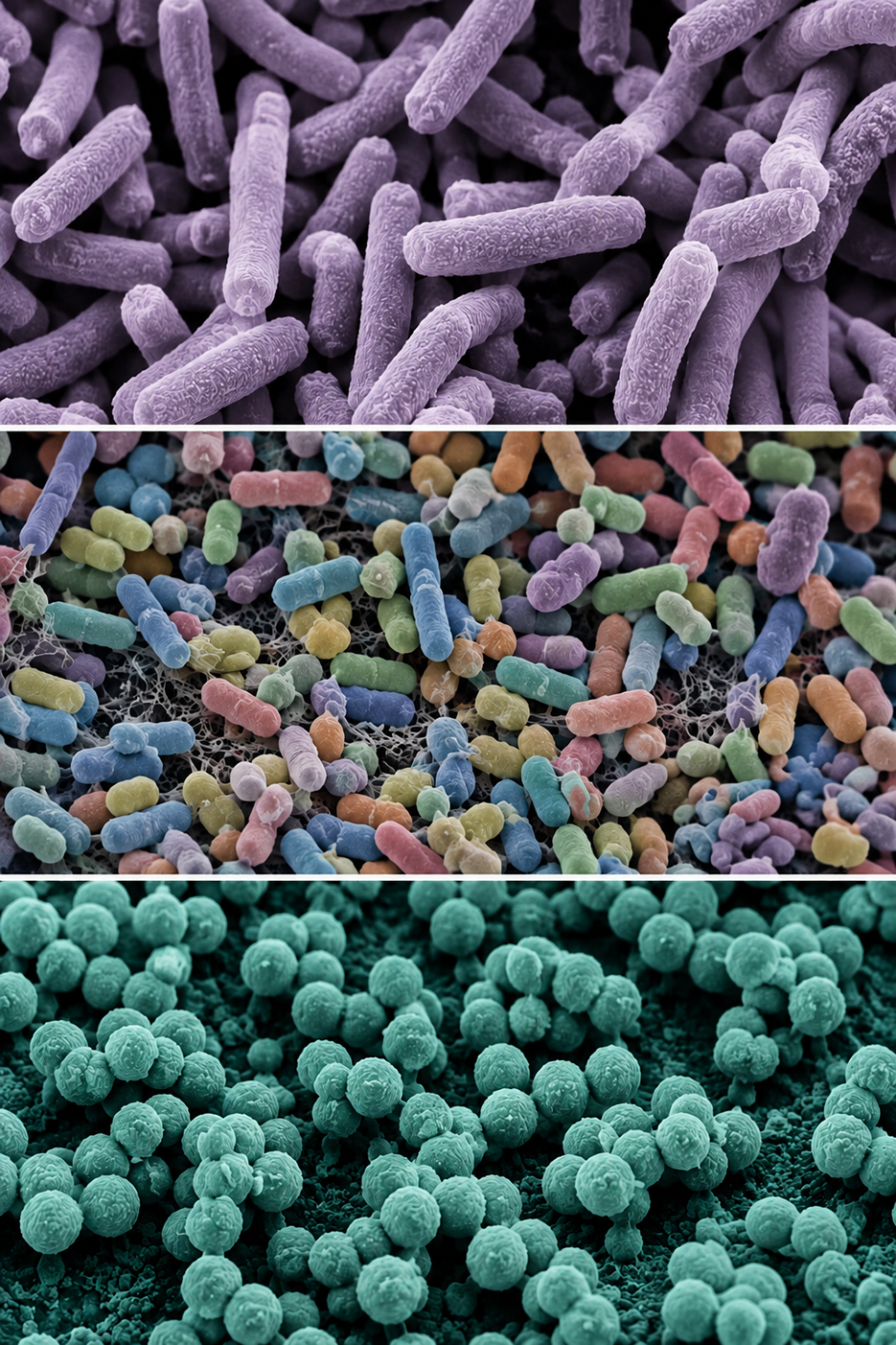
We live together with countless microorganisms. These invisible, tiny organisms affect not only our digestion, but also our metabolism, mental health, and ultimately our quality of life. Therefore, a proper understanding of gut microbiota and healthy lifestyle habits can be the most practical first step toward protecting health in the future.
Generated by AI
By Kim Si-won
2021020022@chungbuk.ac.kr